
Moving Through Chronic Autistic Burnout
It's So Much More Than Raw Willpower

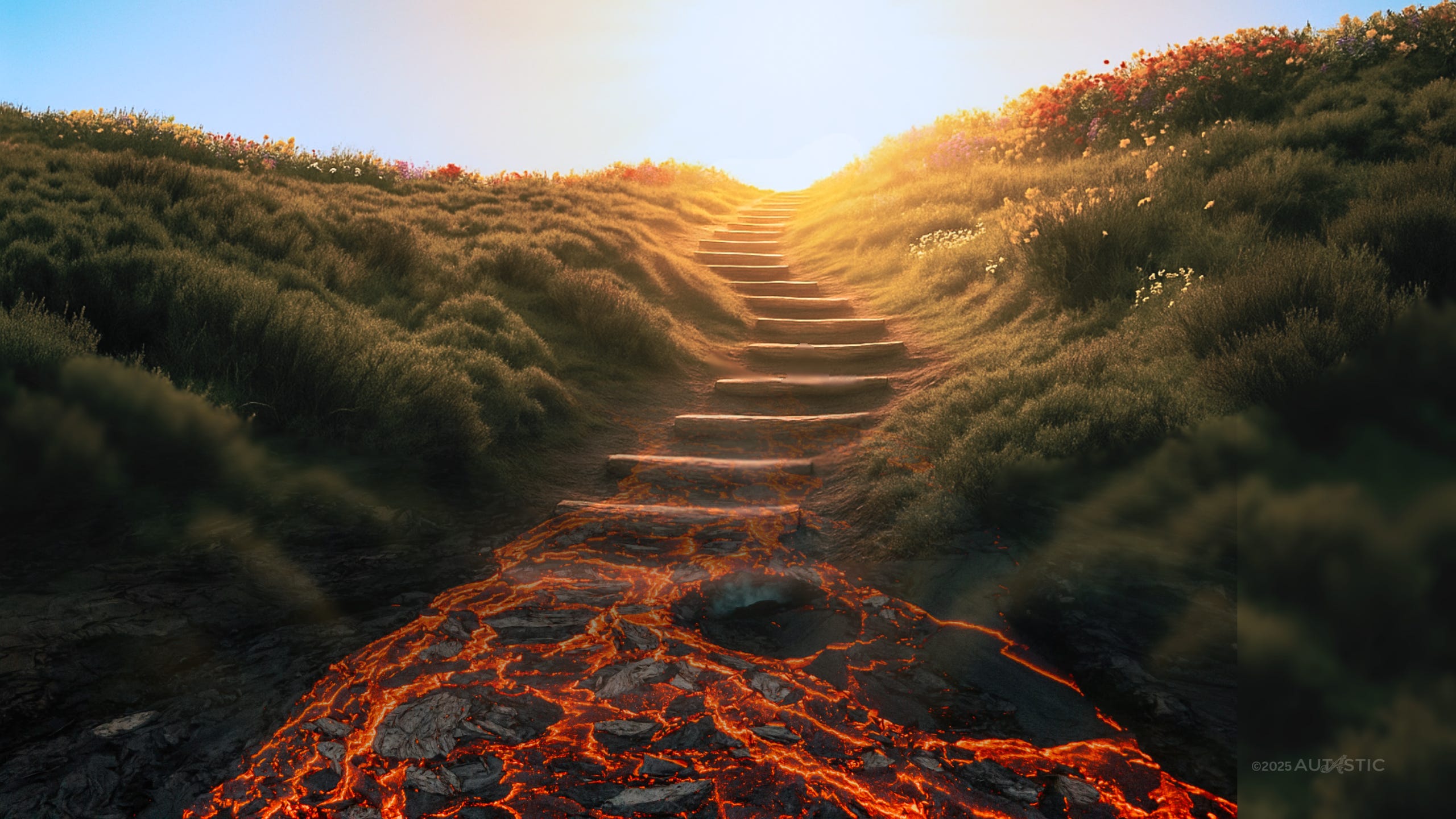
👋🏽 Welcome Back! Did you recognize yourself in parts one and two of this mini-series on Chronic Autistic Burnout? Part Three gently introduces a reframed approach to navigating burnout recovery.
Let’s get into it.
This work emerges from years of research and interviews, conversations among thousands of Autastic community members, a lifetime of personal experience, and the work of advocates who walk alongside me on this quest for autistic liberation. I hope you find something that’s meaningful for you. — DJW
🗝️ If you take away one thing…
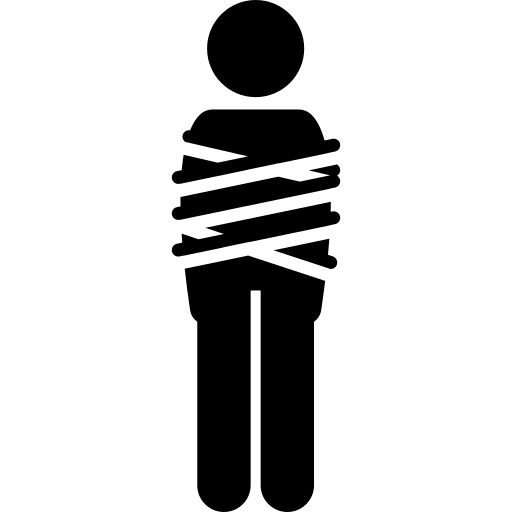
Autistic adults—particularly those of us who were presumed to be neurotypical for much of our lives—are caught in a vice-grip double-bind:
BIND #1: When we meet society’s demands, our bodies collapse.
BIND #2: When we meet our bodies’ needs, society withholds safety and access.
The double-bind says that we lose something critical no matter what we choose.
Why the double-bind matters
Discouraging as this is, facing it can be life-changing for us. The invisible social contract we were born into lurks underneath autistic life at every turn and exerts enormous influence on us continuously—including on our efforts towards recovery.
You’ve probably already tried doing less, napping more, and deploying multiple scheduling apps until your efforts to be less tired make you more so. If nothing sticks, it’s not because the suggestions are trash. It’s not because you’re failing.
It’s because most burnout recovery efforts don’t account for the double-bind. Even with the fanciest gear, you can’t climb out of a canyon when someone keeps loading three rocks into your backpack for every one you throw out. Trying to heal from inside a system built to inflict continuous harm is a recipe for never ending exhaustion.
This is why you’re always tired.
The reframe on emerging from burnout isn’t about out-pacing, outsmarting, or escaping the world that’s not built for us. It’s this: Emerging from Chronic Autistic Burnout is a life-long practice of navigating actively harmful systems while being held and sustained by community.
Working (against) the system
Sustained recovery from Chronic Autistic Burnout begins when we stop trying to fix ourselves and instead turn our gaze outward and get ruthless with the conditions that wear us down.
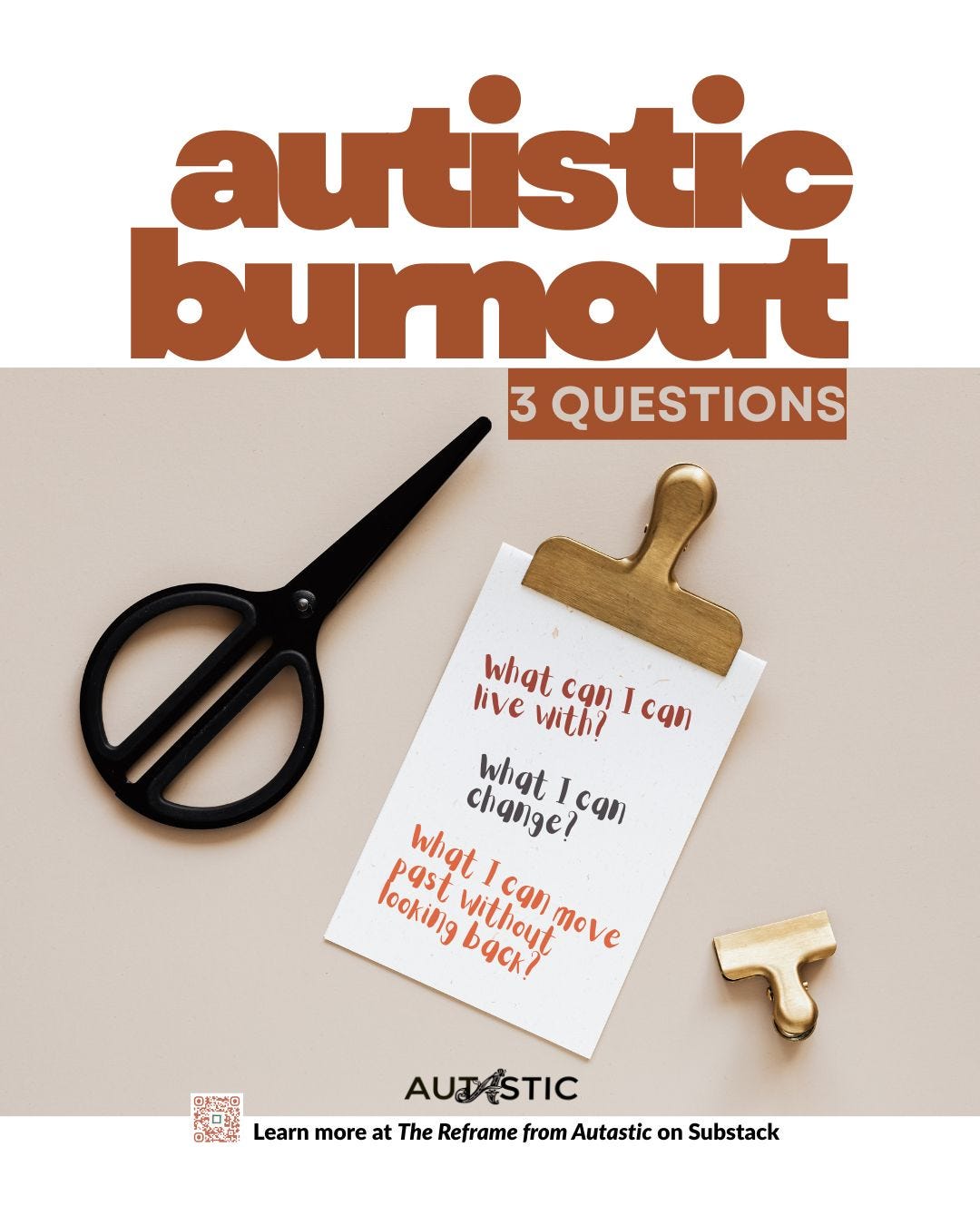
From our reframed point of view, we can orient around three key ideas:
Find your people.
Name the vampires.
Walk the path of least resistance.
Whichever autistic burnout recovery guides you choose to follow (I’ve listed a few below👇🏽), unlock them with these three keys to shift to a more dimensional view of your exhaustion and decide which steps are important for you, which need modification, and which don’t serve you well at all.

Idea #1: Find your people
Emerging from CAB is so much harder alone. Most of us learned to survive without adequate support and have been hurt enough that “community” can sound unsafe. I get that. But listen, there’s magic in seeing yourself in someone else, especially for adult-identified autistic BIPOC who’ve spent a lifetime as The Only.
Finding spaces that feel like home takes trial and error. Virtual or IRL, autistic, neurodivergent, and disability spaces that center peer support and mutual aid exist. Keep in mind that group dynamics are very real everywhere. Ain’t nobody got time for feeling bad about ourselves. If a space doesn’t fit or feel safe enough, try again or try another.
Community is about belonging, not conflict-free perfection. Even tentative connections can boost our recovery efforts and distribute the weight we carry. When autistic BIPOC are believed, mirrored, and understood, not only do our bodies register that we’re not in this alone, we build pathways to reclaiming our capacity, agency, and self-trust. We do this together on the daily in our Autastic Communities so yes the belonging factor is real and powerful.
Idea #2: Name the vampires
The double-bind feeds on our life force. Calling it out in our daily lives begins with naming our energy vampires. Laying them out in full view frees us from blaming ourselves for being exhausted and allows vital questions to emerge such as:
If social norms, rules, and expectations don’t include me or my needs, what might my life look like if they did?
What access, conditions, knowledge, things, or people do I need so I can navigate the roadblocks I face?
Which parts of my daily life are shaped by systemic beliefs, pressures, barriers, or limits that are beyond my control?
We don’t have to try harder, work smarter, be persistent, or cultivate grit at every turn. When we name the vampires, we pinpoint where a roadblock lies—within or outside ourselves—and better address it. Why? Because the issue isn’t us by default.
Idea #3: Walk the path of least resistance
Radical thought 👉🏽 It’s 100% okay to choose to do less at work, at home, socially, and for yourself. To NOT do is self-love.
Clearly this isn’t one of those 10-step guides to living a fully balanced life at all times forevermore. The vampires aren’t about to let sustained balance happen on their watch 🧛🏻. This is about on-going resistance to the double-bind by embracing “Good Enough”:
When we’re planning tasks, what amount of effort is good enough?
When we’re engaging socially, how much interaction time is good enough?
When we’re meeting our job expectations, at what point is the work good enough?
“Good Enough” isn’t about being sloppy, disinterested, or uncaring. Quite the opposite. It’s about being okay with choosing the less-perfect option because it’s the option that preserves your energies best.
Choosing when to do less, when to do differently, and when to do without is our birthright. Reclaim yours.
For when you’re going through it
If you’re incredibly frustrated and feel as if there’s no way out of burnout, ever, I don’t blame you. More important, please don’t blame yourself. You are one person doing all you can to exist inside harmful systems. Many millions of adult-identified autistic people are in this with you right now.
Any significant life change like this can be discouraging at times and exhilarating at others. Hold steady and hold each other up, friends. This here is a long game. This is how we shift from “recovering from autistic burnout” to “building a life that actually fits”.
For historically racialized autistic people like us, choosing to navigate injustice instead of fighting for systemic change can seem like acceptance or defeat. Let me give you this: Choosing yourself is activism.
As have the ancestors before us, we absolutely can find tiny liberations every day, joy in each other, and small acts of defiant self-love. They add up, especially when force multiplied in community.
No one of us is The Only. Not any more.
🗝️ Hopefully these three keys add depth and dimension to your recovery plan so you can better navigate the double-bind and finally move forward into more ease more often.
Resources
These advocates have created content on autistic burnout with you in mind. Follow, subscribe, and support them here and across socials:
✊🏾 Lovette Jallow: Being Black & Autistic: The Burnout No One Talks About.
✊🏾 Young #AutisticWhileBlack TikTok on burnout: @Divergenthood, @vivalachris_, @collette.alexandria, @saintjenni and @theretronavigator.
✊🏾 Dr. Kojo Sarfo: Recognizing The Signs of Burnout & Autistic burnout is frequently caused by masking.
Autistic TikTok on burnout: Dr. Joey Lawrence @nd_psych
Bindu Kalesan: Healing from Autistic Burnout: What I Changed, What Helped, and What Did Not.
Dr. Natalie Engelbrecht & Eva Silvertant’s resources on autistic burnout at Embrace Autism.
If you’re a “doing” kind of learner, I’ve put together Four Autistic-Friendly Activities to Nurture Balance as a perk for subscribers of The Reframe

🗣️ How are you doing?
Chronic Autistic Burnout can feel like we’re failing at life. You know how I said to find yourself a community? The Autastic Communities are waiting for you. Need a hand? Here are a few conversation topics to help you share your experiences and find your people:
When you learned that autistic burnout is a thing, how did that change your experience at the time?
Do you have advocate videos bookmarked to help you through? Share a few. You never know who needs a boost today.
How are you feeling about burnout after reading this mini-series? Light the way for others by sharing your experiences in the comments below or in our Autastic communities.
Need autistic BIPOC community? Come on over to Autastic 💪🏽💪🏾💪🏿
